
Glaucoma – A Silent Thief of Sight
👁️ The Retina and the Optic Nerve – The Eye’s Magic Pathway
Think of the eye as a beautifully crafted camera. The retina is like the film at the back of this camera — it receives light and turns it into a picture. But how do these pictures reach the brain? That’s the job of the optic nerve, a bundle of a million tiny wires carrying signals from the eye to the mind, where vision truly comes alive.
Both the retina and the optic nerve are delicate, like a bridge connecting the outside world to your inner world of sight. If this bridge is damaged, the connection weakens, and vision begins to fade.
What is Glaucoma?
Glaucoma is often called the “silent thief of sight” because it damages the optic nerve slowly, without pain, and often without early symptoms. The main culprit is usually high eye pressure (intraocular pressure) — like too much water inside a balloon. Over time, this pressure can press against the optic nerve, harming its delicate fibers.
Unlike spectacles that fix blurred vision or cataract surgery that restores clarity, the vision lost from glaucoma cannot be brought back. That’s why early detection is crucial.



Symptoms of Glaucoma:
Glaucoma usually creeps in quietly. Many people don’t realize they have it until it has already stolen part of their vision. Common signs include:
Gradual loss of side (peripheral) vision
Needing more light to see clearly
Blurred vision or halos around lights
In severe cases: eye pain, headache, nausea (in acute attacks)
Stages of Glaucoma – The Story Unfolds
Glaucoma progresses in stages, much like chapters in a mystery novel:
1. Early Stage: No noticeable symptoms, vision looks normal.
2. Mild Stage: Subtle loss of side vision, often unnoticed.
3. Moderate Stage: Clear gaps in vision appear.
4. Advanced Stage: Tunnel vision, with only central vision left.
5. End Stage: Severe optic nerve damage, permanent blindness.
Risk Factors – Who is Most at Risk?
Some eyes are more vulnerable than others. Risk factors include:
Age over 40 years
Family history of glaucoma
High eye pressure
Diabetes, hypertension
Long-term use of steroid medicines
Eye injuries or past eye surgery.
Glaucoma Treatment – Slowing the Silent Thief
When glaucoma is detected, the goal of treatment is not to cure it (since lost vision cannot be restored) but to protect the sight that remains. Think of it like reinforcing a bridge: you can’t rebuild the part that’s gone, but you can stop further collapse.
⚕️ The Main Treatment Options
1. Eye Drops (First Line of Defense):
These are the most common treatment.
They work either by reducing the amount of fluid (aqueous humor) produced inside the eye or by helping it drain better.
Several types of drops exist, and your doctor may choose one or a combination.
The key is regular use — skipping doses allows eye pressure to rise again.
2. Laser Therapy (Second Step):
A special, painless laser is used to help fluid drain out of the eye more efficiently.
It may be used if drops are not enough, or sometimes as an early option.
3. Surgery (For Advanced or Resistant Cases):
If drops and lasers are not enough, surgery may be required.
Procedures like trabeculectomy or tube shunt implants create a new pathway for fluid to leave the eye, lowering pressure.
🌱 Lifestyle + Monitoring
Regular eye check-ups to monitor pressure and optic nerve health.
Staying consistent with medicines.
Managing related conditions like diabetes and hypertension.
Protecting overall health with good sleep, exercise, and nutrition.
👉 The most important message: with timely treatment and regular follow-up, most people with glaucoma can keep useful vision for life
Technology:
Tonometry – measures eye pressure.
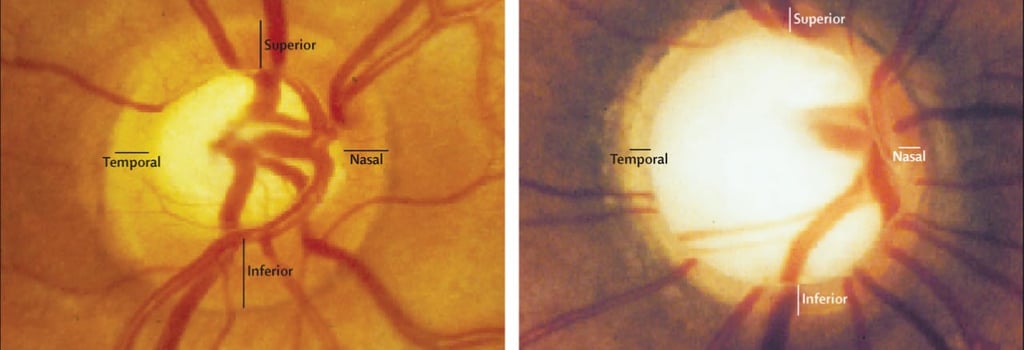
Ophthalmoscopy – examines the optic nerve head for thinning or cupping.
Perimetry (Visual field test) – maps the missing areas of vision.
OCT (Optical Coherence Tomography) – gives a detailed scan of the optic nerve and retinal layers.
Gonioscopy – checks the angle where fluid drains inside the eye.
These tests not only confirm glaucoma but also help monitor its progress over time.


Frequently Asked Questions:


Our mission
We're on a mission to change the way the housing market works. Rather than offering one service or another, we want to combine as many and make our clients' lives easy and carefree. Our goal is to match our clients with the perfect properties that fit their tastes, needs, and budgets.
Our vision
We want to live in a world where people can buy homes that match their needs rather than having to find a compromise and settle on the second-best option. That's why we take a lot of time and care in getting to know our clients from the moment they reach out to us and ask for our help.


Our team
Our strength lies in our individuality. Set up by Esther Bryce, the team strives to bring in the best talent in various fields, from architecture to interior design and sales.


Esther Bryce
Founder / Interior designer


Lianne Wilson
Broker


Jaden Smith
Architect


Jessica Kim
Photographer